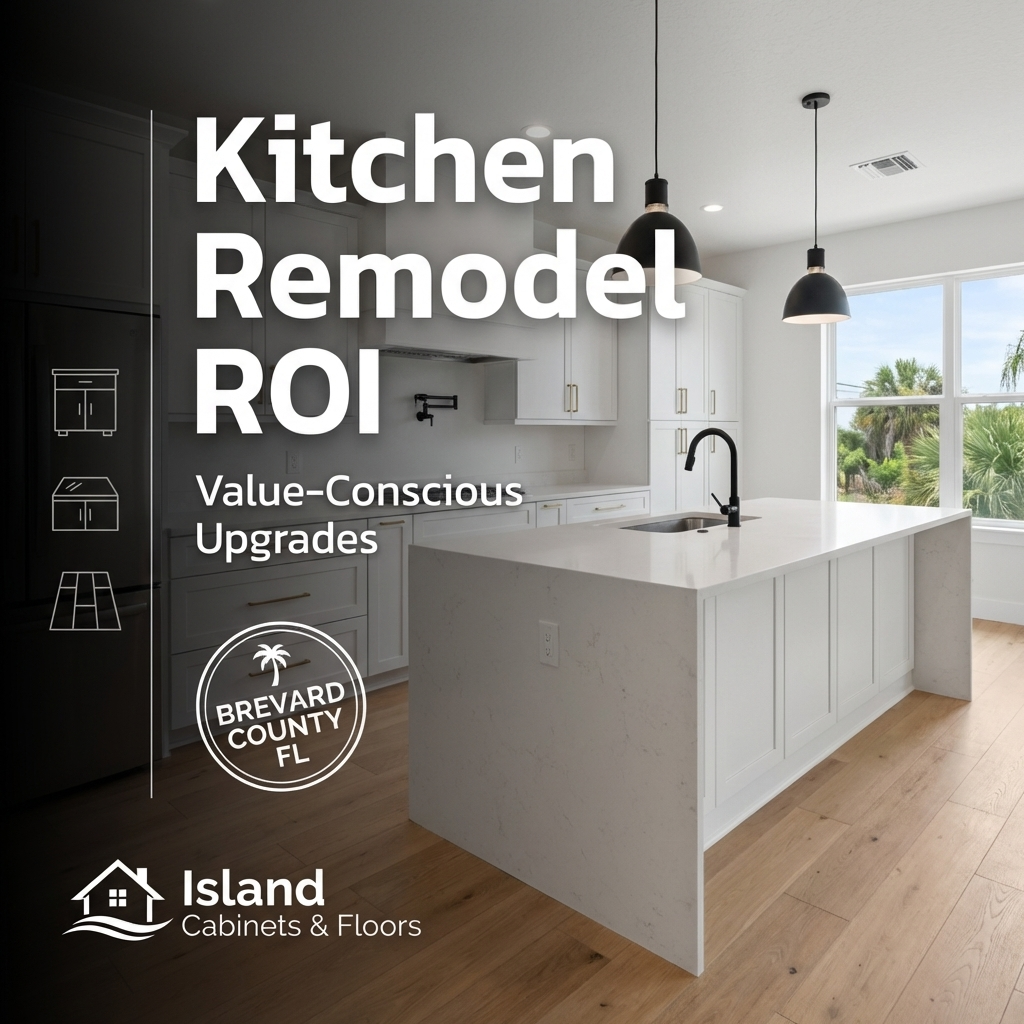
Kitchen Remodel Return on Investment Basics
Kitchen Remodel Return on Investment Basics
Planning a kitchen remodel often involves balancing design goals with long-term value. While no remodel can promise a specific resale price or return, understanding the basics of return on investment (ROI) can help you make informed, practical decisions for your home.
What Does Kitchen Remodel ROI Really Mean?
Return on investment (ROI) in a kitchen remodel is a way of describing how much of your project cost may be reflected in your home's resale value. It is usually discussed as a percentage, based on regional data and market trends.
It is important to remember that ROI figures are estimates, not guarantees. Many variables influence how a remodel affects a home's market value, including local buyer preferences, the age and condition of the home, and broader economic conditions.
Key Factors That Influence Kitchen Remodel ROI
Several practical factors tend to shape how a kitchen remodel may be viewed by potential buyers and appraisers.
1. Scope of the Project
Kitchen projects are often grouped into two broad categories:
- Minor or midrange remodels: Typically keep the existing layout while updating surfaces, cabinetry fronts, countertops, flooring, lighting fixtures, and appliances.
- Major or upscale remodels: Often involve layout changes, structural modifications, custom cabinetry, premium materials, and comprehensive upgrades.
In many markets, modest or midrange kitchen updates tend to have a more favorable estimated ROI than very high-end, customized projects, because they appeal to a broader range of buyers.
2. Local Real Estate Market Conditions
ROI is highly dependent on location. Buyer expectations in a Florida coastal community may differ from those in other regions. In some neighborhoods, a thoughtfully updated but not overly luxurious kitchen aligns with local norms. In others, higher-end finishes may be more common.
Real estate professionals familiar with your area can provide perspective on what buyers typically look for and which features are considered standard versus premium.
3. Quality and Durability of Materials
Materials that balance appearance, durability, and maintenance needs can be appealing to many homeowners and potential buyers. Common considerations include:
- Cabinetry: Sturdy construction, functional storage, and a timeless door style often have broad appeal.
- Countertops: Materials such as quartz, certain natural stones, or well-maintained solid surfaces can provide a clean, durable work surface.
- Flooring: Water-resistant, easy-to-clean flooring is often appreciated in busy kitchens, especially in humid climates.
- Finishes and hardware: Coordinated, neutral finishes can help the space feel cohesive and adaptable to different decor styles.
4. Layout and Functionality
An efficient layout can be as important as visual upgrades. Many buyers focus on how the kitchen works day-to-day:
- Clear work zones for cooking, preparation, and cleanup
- Sufficient countertop space near major appliances
- Comfortable traffic flow, especially in open-concept homes
- Accessible storage for frequently used items
Where structural or mechanical changes are involved (such as moving walls, plumbing, or electrical), it is advisable to consult qualified professionals and comply with local building codes.
5. Design Style and Color Choices
Design trends change, but some approaches tend to have longer-lasting appeal:
- Neutral, light tones: Whites, soft grays, and warm neutrals often help kitchens feel open and adaptable.
- Simple, clean lines: Shaker-style cabinets, understated hardware, and minimal ornamentation typically age well.
- Balanced accents: Backsplashes, lighting, and hardware can introduce personality without overwhelming the space.
Keeping the core elements versatile while using easily changeable details for color or pattern can support broader buyer appeal over time.
6. Overall Home Consistency
A kitchen that matches the overall character and price range of the home often feels more cohesive to potential buyers. Extremely high-end finishes in an otherwise modest home, or very basic finishes in an otherwise upgraded home, may feel out of place.
When considering ROI, it can be helpful to think about how the kitchen will relate to adjacent spaces such as dining areas, great rooms, or outdoor living areas.
Common Types of Kitchen Improvements
Different parts of a kitchen remodel can contribute to function, comfort, and perceived value in distinct ways.
Cabinetry Updates
Cabinets strongly influence both the appearance and usability of a kitchen. Options may include:
- Replacing cabinets with new, appropriately sized units
- Reconfiguring certain sections for better storage and access
- Upgrading organizational features such as pull-out shelves or deep drawers
When ROI is a priority, many homeowners review whether their existing layout generally works before deciding on more extensive changes.
Countertops and Backsplashes
New countertops and backsplashes can significantly change how a kitchen feels. When comparing materials, common considerations include:
- Resistance to stains, moisture, and heat within normal kitchen use
- Ease of cleaning and routine care
- Visual compatibility with cabinetry and flooring
Consistent, coordinated surfaces can help create a balanced, finished look.
Flooring Choices
In Florida and other warm, humid climates, flooring in the kitchen is often chosen for both comfort and moisture resistance. Options can include tile, certain types of luxury vinyl, and other materials designed for kitchen environments. Slip resistance, cleanability, and long-term wear are practical points to review.
Lighting and Visibility
While electrical work should be handled by qualified professionals, planning for appropriate lighting levels is a key aspect of many kitchen remodels. Layered lighting commonly includes:
- General lighting for overall visibility
- Task lighting focused on work surfaces
- Accent lighting to highlight design features
Thoughtful lighting supports both everyday use and the overall impression of the space.
Planning a Value-Conscious Kitchen Remodel
Maximizing potential ROI is often about making balanced choices rather than pursuing the most expensive option in every category.
Clarify Priorities
Before selecting products, many homeowners find it helpful to list their highest priorities, which might include:
- Improved storage and organization
- More durable and low-maintenance surfaces
- A brighter, more open feel
- Better connection to adjacent living spaces
Having clear priorities can help guide where to allocate more of the budget and where simpler solutions may be appropriate.
Consider Longevity Over Trends
Design elements that feel fresh today may shift in popularity over time. For ROI-focused projects, many homeowners lean toward:
- Classic cabinet styles and neutral colors
- Durable flooring and countertops suited to everyday use
- Hardware and fixtures that can be updated more easily later
This approach can help the kitchen appeal to a range of potential buyers if the home is sold in the future.
Align With Your Timeframe
The potential impact of a remodel on resale value can depend, in part, on how long you plan to stay in the home. Some homeowners focus primarily on personal comfort and function if they expect to live in the home for many years, viewing any ROI as an additional consideration rather than the sole objective.
Working With Professionals
A coordinated team of design and installation professionals can help you evaluate options and understand how different choices may affect function, maintenance, and potential resale appeal.
Common professional participants in a kitchen remodel may include:
- Kitchen and bath designers or cabinetry specialists
- Contractors or remodelers
- Licensed electricians and plumbers for technical work
- Real estate professionals for market-context insights
Each professional brings a different perspective that can support well-informed decisions.
Next Steps for Your Kitchen Project
Understanding kitchen remodel ROI basics can help you plan a project that fits your home, budget, and long-term goals. If you would like to discuss cabinetry, countertops, and flooring options for a Florida home, you can reach out to a local showroom or design professional for guidance tailored to your situation.
To learn more about cabinetry and flooring solutions or to request a consultation with Island Cabinets & Floors, you can visit our contact page at https://islandcabinetsandfloors.com/contact. A team member can provide information about materials, layout considerations, and practical design choices to support your next kitchen project.


